Do you ever hear people say that if you want steady passive income, you just need to find stocks with the highest "dividend yield"? It sounds professional, and the numbers look tempting. But is a higher yield really always better? If it were that simple, getting rich would be easy.
So, what exactly is dividend yield?
Let's forget about the stock market for a second. Imagine a simpler scenario. I'm going to use a simple story about a breakfast shop to help you wrap your head around dividend yield.
Cash dividends
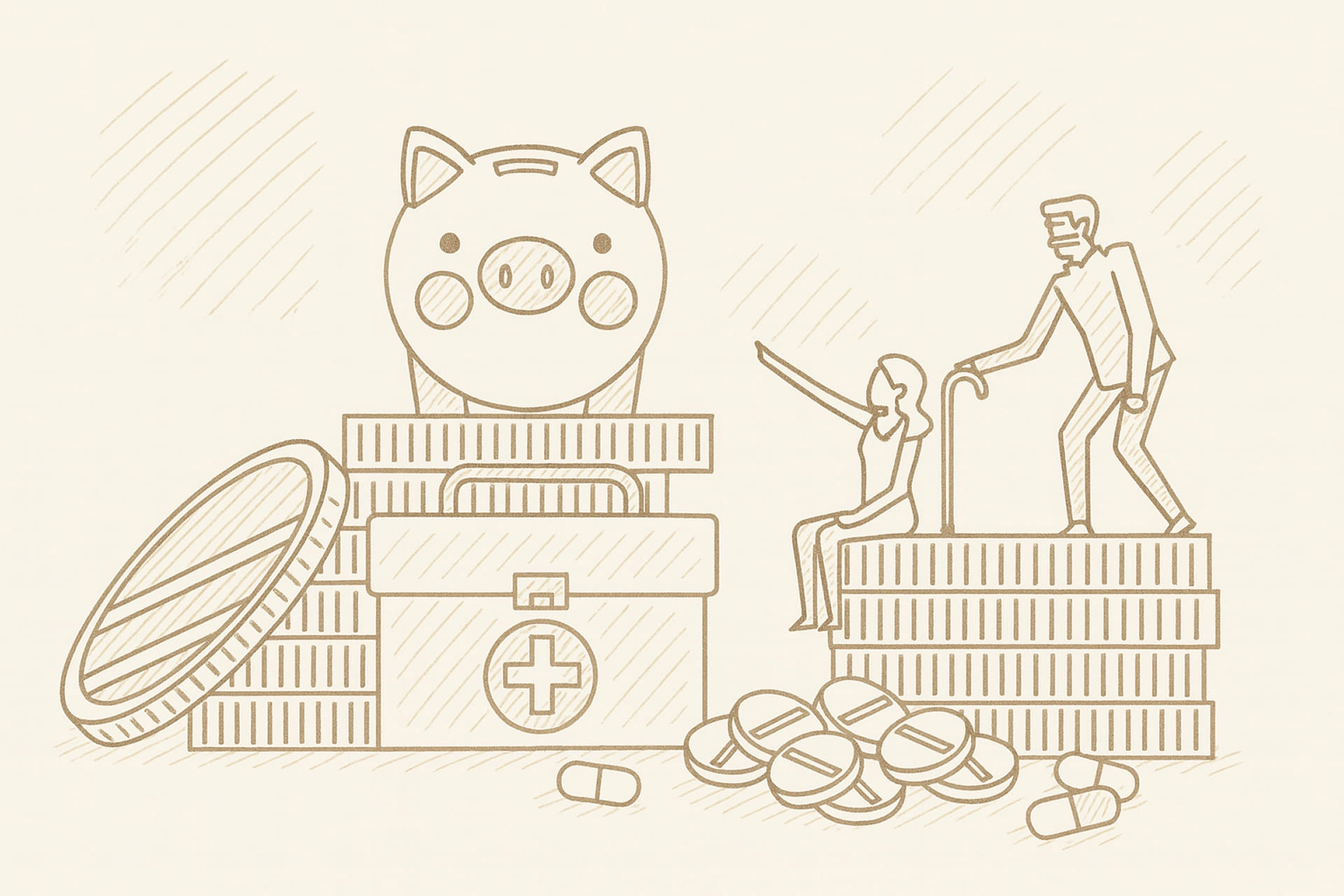
Let's say you and a few friends see an opportunity in the neighborhood breakfast market. You decide to pool your money and open a cozy breakfast spot. You each put in some cash and become "shareholders" of the shop. Your egg pancakes and milk tea turn out to be a huge hit.
After a year of hard work, you settle up at the end of the year. After paying for the flour, eggs, rent, and staff salaries, there is a nice chunk of cash profit left over. You all meet up and decide to take that money and split it among the partners based on how much each person originally put in. That cash bonus you take home is the return you deserve as a boss (or shareholder) of the breakfast shop.
This concept works exactly the same way in the stock market. When you buy stock in a company, you are one of that company's shareholders. When that company takes a portion of its annual profits and pays it back to you in cash, that is what we call a "cash dividend."
Dividend yield
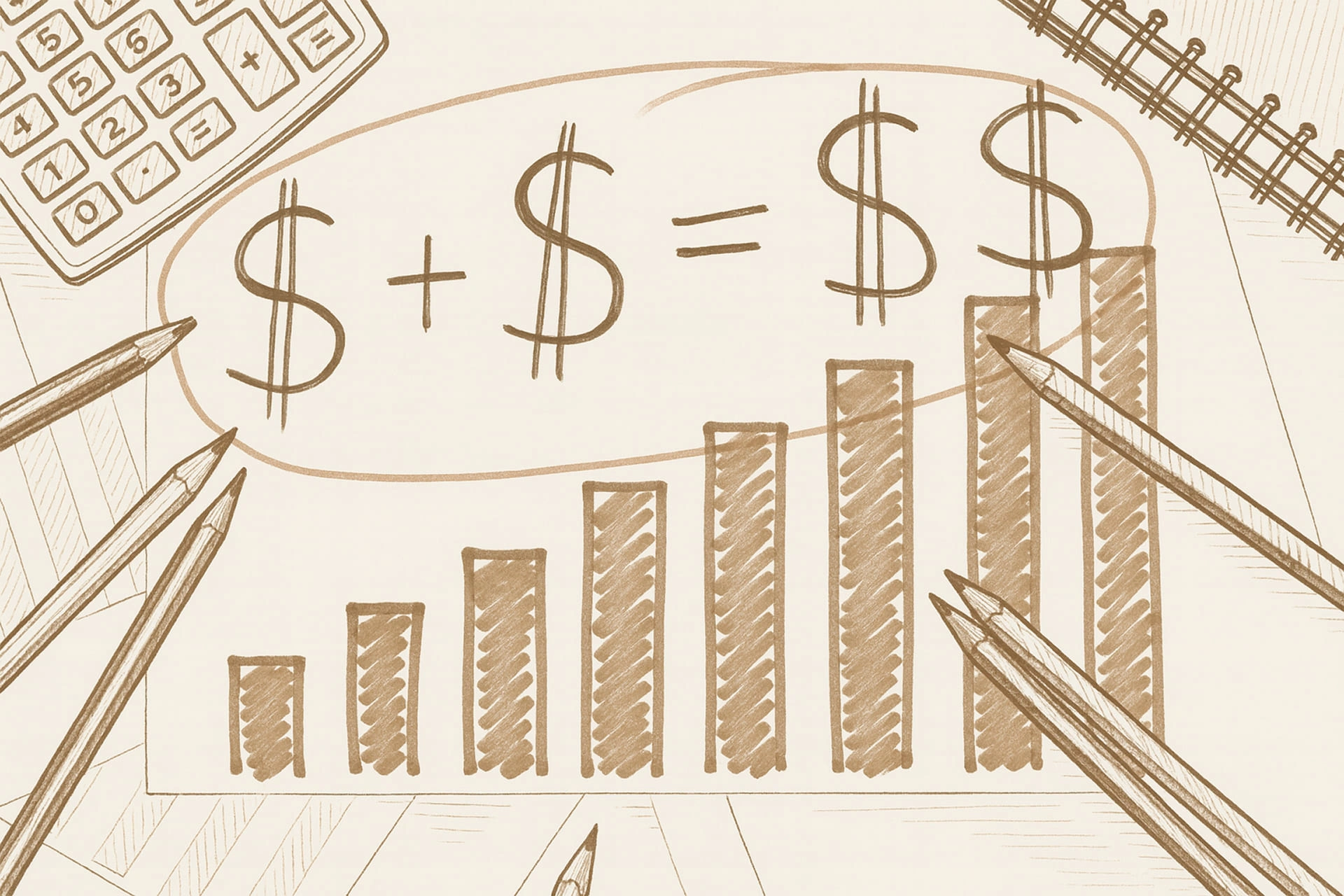
Dividend Yield % = Cash Dividend / Stock Price x 100%
So, what is "dividend yield"? It really just answers one simple question. "Based on the price I am paying right now, what percentage of that cash am I getting back this year?"
For example, let's say your share of the breakfast shop is currently worth $100. If you get a $5 cash dividend this year, then your dividend yield is 5% (5 / 100).
If you buy Alphabet stock at $202.16 and they pay out a cash dividend of $0.84 per share this year, that comes out to a dividend yield of 0.41%.
Could high dividend yield be a trap?
Before you dive into those tempting 7%, 8%, or even 10% yields, you have to understand how the "ex-dividend" system works in the stock market. "Going ex-dividend" means that on the day a company pays out that cash dividend to you, its stock price drops by that exact same amount.
For example, take a company with a $100 stock price that pays a $5 cash dividend. On the payout day, the stock price immediately drops to $95. Your total assets haven't actually changed. You have $5 more in cash, but your stock is worth $5 less. It is like moving money from your left pocket to your right pocket. At the end of the day, your wealth hasn't increased.
The moment you actually make a profit is when the stock price "recovers." This means that after the drop, the company's strong performance pushes the price back up to the original $100. Only when that recovery happens does that $5 dividend count as real profit.
Getting the dividend but losing on the stock price
If the price doesn't bounce back, or worse, if it keeps falling, then that dividend you got is basically just you getting your own principal back.
When times are good, "cyclical stocks" like shipping or display panel companies might rake in cash. They generously hand out huge dividends, creating beautiful yield numbers that attract tons of investors looking for steady payouts. But those good times usually don't last.
When the economy turns, shipping demand drops and panel prices crash. These companies' profits shrink fast or turn into losses, and the stock price falls off a cliff. Many investors who got lured in by the high yield at the peak realize too late that the few dollars in dividends can't cover the massive loss in the stock price.
A warning sign of declining growth
There is another high-yield trap that is even sneakier.
Sometimes a company has a high yield not because it's making so much money, but because its stock price has crashed. Imagine a company pays a steady $3 dividend every year. If its stock price drops from $100 to $50, its yield instantly doubles from 3% to 6%! That number looks attractive, but it actually reflects a serious vote of no confidence from the market regarding the company's future.
Or, high dividends might mean a company has "stopped growing." When a business can't find good projects to invest in to expand or make more profit, its only choice is to give that cash back to shareholders. That isn't necessarily a bad thing, but for investors hoping for long-term growth, it is basically an admission that "the glory days might be over."
Buy a great business, don't just chase the dividend numbers
So, now that we know about the high-yield trap, what should we be looking for? We can take a page out of Warren Buffett's book, and honestly, it is surprisingly simple.
The goal of investing is to "own" a great company. Cash dividends are just the sweet "result" that naturally comes from owning a good business. They should never be the "goal" you are chasing.
The Coca-Cola story
When Warren Buffett poured over a billion dollars into buying Coca-Cola stock, he wasn't concerned with Coke's dividend yield that year. What he saw was a simple product that billions of people around the world loved and couldn't replace. He saw a brand "moat" so strong it was almost impossible to breach. He saw a business that would keep generating an endless stream of cash flow for decades to come.
Think of Coca-Cola as a high-quality "money-printing machine." The annual dividends are just a few of the bills that the machine spits out. What Warren Buffett really wanted to buy was the machine itself, not just the few bills it produced in any single year.
Why is a "Low Yield" sometimes a good thing?
This concept might completely flip how you think about dividends.
Imagine that your partner in the breakfast shop, the manager running the place, is a business genius. He tells you, "We made 100,000 this year. But if we take that 100,000 and open a branch right next door, I guarantee it will earn us 150,000 in value next year." As a shareholder, would you choose to split that 100,000 now, or would you hand it to him to build a bigger business?
Smart value investors will always choose the second option.
That is exactly how Warren Buffett thinks. If a company can effectively reinvest every dollar it earns to create "more than a dollar" of long-term value for shareholders, then keeping the profit inside the company is actually the best choice for the shareholders. In this scenario, not paying dividends or having a super low yield is actually fantastic news! It means the company is in a golden period of high growth. It is like a fruit tree that is working hard to grow big. You don't rush to pick the fruit now because you want it to bear even more fruit in the future.
This is exactly why Warren Buffett's own company, Berkshire Hathaway, never pays cash dividends. It is because he and all his shareholders believe that keeping the money in the company creates far more incredible long-term returns than if the shareholders invested it themselves.
Growing Your Wealth
While you are eating, working, or even sleeping, the businesses you own are out there working hard to make you money. That growth over time is the real secret to building lasting wealth.
Pick a company you interact with every day and try asking yourself one simple question. "Will this company still be making money like this 10 years from now? Why?"
You should start learning to think like Buffett. That is how you officially kick off your value investing journey and start building real wealth.