
Imagine you’re a structural engineer designing a bridge. Your calculations show the bridge can handle up to 60 tons, but you decide to tell the public the weight limit is only 20 tons.
Why keep those 40 tons hidden? Even though the 60-ton limit is based on solid science, there is always a chance for error. Mistakes can happen in the math, the environment can change, or the structure could simply wear down over time. No matter how small these errors are, if they happen even once, it could lead to a total disaster. Those 40 tons you set aside are what we call a "margin of safety," which gives you a buffer to handle any unexpected problems.
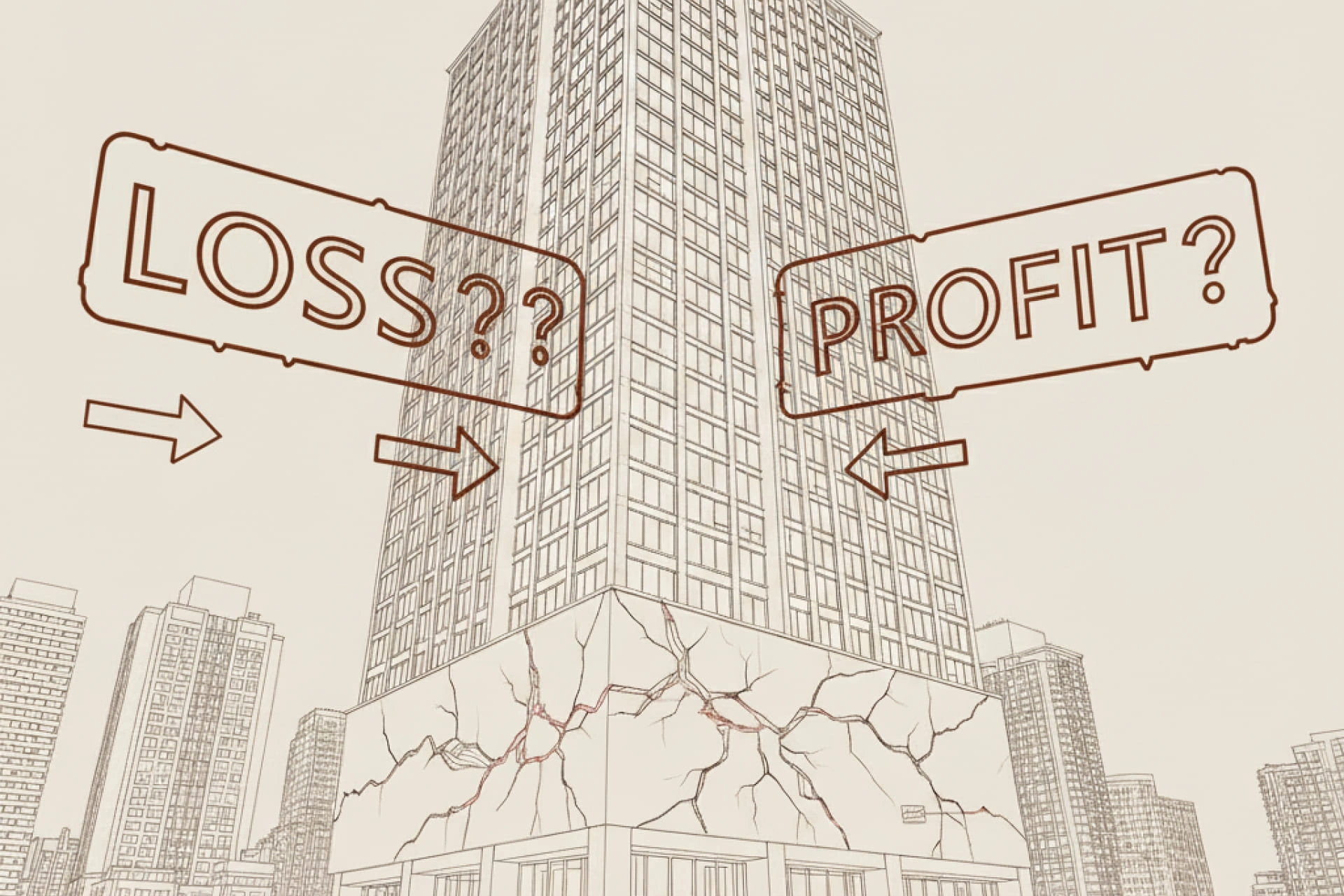
The investing world is even more unpredictable. It is impossible to know when the next recession will hit, how an industry might change, or even what a company’s next earnings report will look like. All the noise in the market often makes us doubt our own judgment, leaving us stuck swinging between fear and greed.
Warren Buffett’s "margin of safety" theory is designed specifically to account for these mistakes in judgment. In the end, a major investment failure can be just as devastating to your life as a bridge collapsing.
What is margin of safety? Value investing's psychological shield
Value investing is all about buying great companies at a fair price. But a fair price isn’t just the intrinsic value you calculate; it also includes a margin of safety to protect you if you’re wrong. When you have that extra cushion, you can stay cool and collected even if your judgment is off or the market hits a rough patch.
Fighting overconfidence
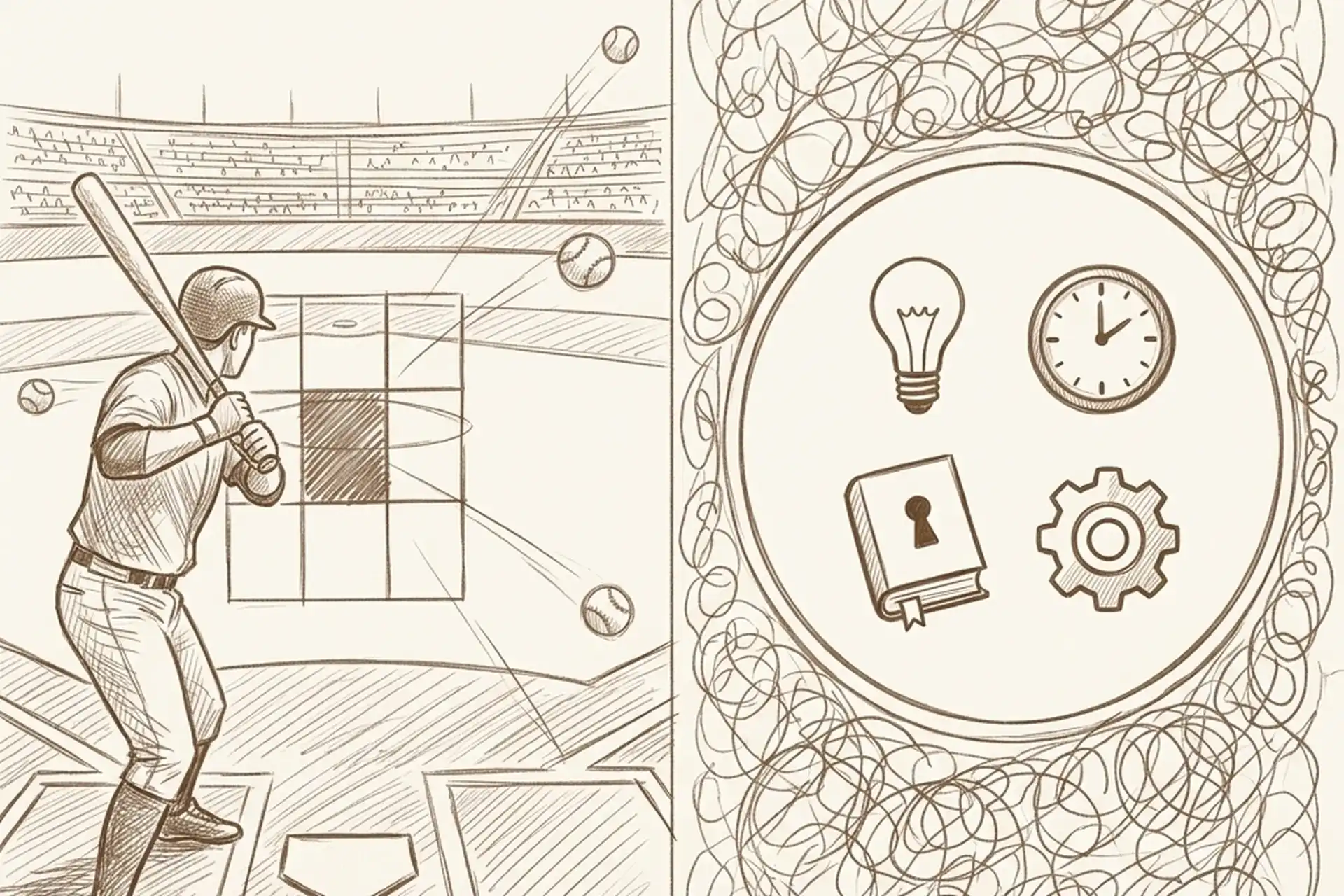
We’re naturally wired to overestimate how right we are. Even with deep research, you can still miscalculate a company's future or miss hidden risks. Before you put any money down, just assume you might be wrong and give yourself some breathing room.
A rational anchor for market emotions
The market is constantly being pulled between greed and fear. A value investor who uses a margin of safety will calculate the actual value themselves. While everyone else is getting swept up in the market's emotions, a value investor can stay calm and make rational decisions. This framework basically retrains you on how to handle different investing environments.
Margin of safety also means avoiding value traps
It’s easy to get excited when you find a stock trading way below what you think it’s worth. But that’s exactly when you should ask, "Why is this so cheap?"
Like we talked about in the chapter on book value, a low price can actually be a red flag that the stock is stuck or headed for a nose dive. You need to play detective and look at the company’s actual health.
- Are revenue and profit margins consistently dropping? This is the most obvious warning sign. It means their products are losing steam or they can't control their costs.
- Is their competitive edge slipping? The moat they used to rely on might be getting weaker because of new tech or better rivals.
- Is the whole industry dying? Even if a company is managed well, if the entire industry is being phased out by the times, no price is cheap enough to save it.
How do you calculate the margin of safety?
There’s no one-size-fits-all formula. It’s really just about how much of a discount you need on the intrinsic value to feel safe. The goal is to build a flexible system that can handle different scenarios.
- Step 1 - Estimate the intrinsic value: Use the methods we covered earlier to figure out what the company is actually worth.
- Step 2 - Set your discount: A good rule of thumb is usually 20% to 30%. For example, if you think the value is $100, wait until it hits $80 before you buy.
- Step 3 - Adjust as you go: If a company's future is full of uncertainty, you should ask for a bigger discount. If it’s a high-quality company that’s very predictable, you can settle for a smaller one.
Give yourself a margin of safety
Investing isn’t about having a crystal ball or winning 100% of the time. Since we can't predict the future, we have to build a system that accounts for the fact that we might be wrong.
The margin of safety is the cornerstone of that system. It gives you a buffer and protects your hard-earned savings from market swings and human mistakes. Even if you mess up or things don't go as planned, the portfolio you built will stay solid.